Property Tax - A Revolution in the Polish Real Estate Market?
Property tax is a topic that regularly returns to public debate and evokes strong emotions among property owners, investors, and market experts. In the context of dynamic changes in the Polish real estate market, more and more people are wondering whether its introduction is inevitable, what the consequences might be, and whether the new taxation system will be fair. In this article, prepared by the WawelDom real estate agency, we will examine what exactly property tax is, what its potential effects on the market could be, how it might affect property prices, and whether it is ethical from the perspective of property rights.
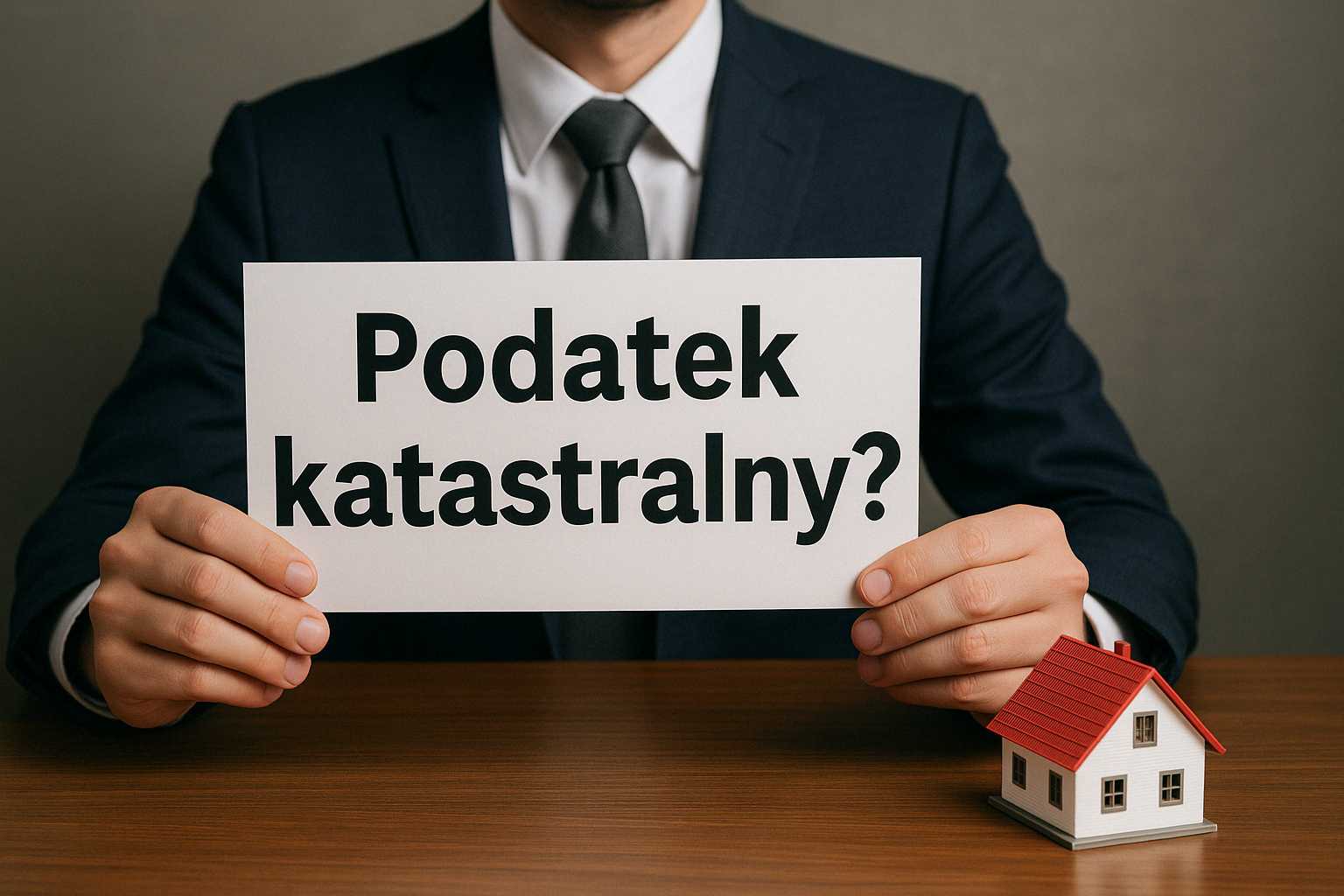
Property tax could significantly change the situation of property owners in Poland
What is Property Tax?
Property tax is a form of real estate taxation where the tax amount depends on the market value of a given property, rather than - as in the current system in Poland - on its area. In Western countries such as Germany, France, or the United Kingdom, this type of tax has been in place for many years. Property tax rates there range from 0.5% to 3% of the property value annually.
The introduction of this tax in Poland would mean a fundamental change in the approach to wealth taxation. Its proponents argue that it would be a fairer system, as people owning more expensive properties would pay higher taxes. Opponents, on the other hand, warn against excessive burden on property owners, especially older ones or those in more difficult financial situations.
Good to Know
Property owners, to become their possessors, have already paid a series of taxes - including civil law transaction tax (PCC), VAT in the case of new premises, notarial fees, and other transaction costs. Moreover, to purchase the property, they had to work hard beforehand, paying income taxes and contributions during their work. The introduction of property tax would therefore mean de facto double taxation of the same asset - once at its acquisition and a second time during ownership - which many citizens consider unfair, and even a form of fiscal theft.
How Does Property Tax Work in Other Countries?
To better understand the potential effects of introducing property tax in Poland, it's worth examining how it functions in other European countries.
| Country | Tax Rate | Remarks |
|---|---|---|
| Germany | 0.26% - 1% | Different rates depending on the state, often with relief for elderly people |
| France | 0.5% - 1.5% | Tax on unoccupied properties (taxe foncière) |
| United Kingdom | 0% - 12% | Council Tax - progressive, depending on property value and its use |
| Spain | 0.4% - 1.1% | IBI - property tax, different rates depending on the municipality |
| Italy | 0.4% - 0.7% | IMU - municipal tax, excluding the first property being the main residence |
How Could Property Tax Affect Real Estate Prices?
The introduction of property tax would have a direct and significant impact on the real estate market in Poland. Below we present key areas where changes can be expected.
1. Increased Maintenance Costs
The introduction of property tax would significantly increase annual property maintenance costs. At a 1% rate, the owner of an apartment worth 900,000 PLN would have to pay as much as 9,000 PLN annually. This is a huge difference compared to current property tax rates, which are much lower.
For comparison, currently in Poland, property tax for apartments typically ranges from several dozen to several hundred zlotys per year, depending on the area and location. For single-family homes, these amounts are slightly higher, but still incomparable to potential property tax amounts.
2. Decreased Demand
Such high burdens could discourage potential buyers, which in the long term would translate into decreased demand in the real estate market. People investing in rental properties might conclude that the investment is no longer profitable.
This could particularly affect:
- Investors owning several properties
- People planning to purchase a second apartment for rental purposes
- Developers who would have to include new costs in their calculations
3. Price Stabilization or Decline
Lower demand would naturally lead to stabilization or even a decline in property prices, especially in the most attractive locations. Such a scenario could be beneficial for people who are just planning to purchase property, but concerning for current owners.
It's worth noting, however, that the price decline would not be uniform across the entire market. Luxury properties and those in prestigious locations, whose value is particularly high, could suffer the most. Meanwhile, apartments in lower price ranges might experience smaller changes.
4. Pressure on Owners of Older Properties
A particularly difficult situation could affect owners of older, often inherited apartments, which have significantly gained value over time. For many of them, the annual tax could prove to be an insurmountable barrier.
This problem could particularly concern:
- Elderly people living on pensions who cannot afford additional costs
- Residents of city centers, where property values have increased the most
- People who inherited properties but don't have adequate funds to cover the tax
Is Property Tax Ethical?
From an ethical perspective, the topic raises enormous controversy. On one hand, it promotes the idea of social justice - people with more wealth pay more. On the other hand, there is a risk that less wealthy people who accidentally found themselves in possession of valuable properties (e.g., through inheritance) would be forced to sell them.
"Property tax, despite its potential advantages, can be perceived as a tool limiting property rights. After all, every owner has the right to preserve their property regardless of its value - as long as it doesn't generate income. In this situation, many citizens may rightly perceive the introduction of property tax as unfair and unethical - and even as state interference in basic property rights."
Arguments For Property Tax
Proponents of property tax point to several key benefits:
- Tax fairness - people owning more expensive properties pay higher taxes, which is consistent with the principle of tax progression.
- Stable source of income for local governments - property tax could provide municipalities with a stable source of funding, independent of government subsidies.
- Wealth redistribution - the tax could contribute to a fairer distribution of wealth in society.
- Increased efficiency in property utilization - higher property ownership costs could encourage more efficient use of existing resources, including renting out vacant properties.
Arguments Against Property Tax
Opponents of property tax raise the following counterarguments:
- Double taxation - properties are already taxed upon purchase (PCC, VAT), and their value often results from hard work already taxed with income tax.
- Unfairness towards low-income individuals - low-income people living in expensive properties (e.g., inherited) might not be able to pay the tax.
- No connection to income - the tax is levied on the value of assets, not on the income we derive from them.
- Problems with property valuation - determining the market value of a property can be controversial and lead to many disputes.
Potential Compromise Solutions
Considering both the arguments for and against, it's worth considering compromise solutions that could mitigate the negative effects of property tax:
1. Relief for Elderly and Low-Income Individuals
The system could include relief for people whose incomes don't allow them to cover the full tax amount. In many countries, mechanisms exist to defer tax payment until the property is sold or the owner dies.
2. Exclusion of the First Property
The tax could apply only to additional properties, not the main residence. Such a solution functions, for example, in Italy.
3. Progressive Tax Rates
Instead of a single rate for all properties, progressive rates could be introduced, where higher property values would be taxed at higher rates.
4. Regional Rate Differentiation
Tax rates could vary by region, taking into account local market conditions and residents' purchasing power.
Experiences of Other Countries - What Can We Learn?
Analyzing the experiences of countries that have already introduced property tax can provide valuable insights for Poland.
United Kingdom - Council Tax
In the United Kingdom, Council Tax is levied on all properties, except for students and certain social groups. The tax varies depending on the property value and its use. Despite initial concerns, the system has been functioning for years and is generally accepted, though not without controversy.
Germany - Grundsteuer
In Germany, property tax (Grundsteuer) is collected by municipalities. Rates vary by state, and the system takes into account different property categories. In recent years, Germany has gone through a process of reforming this tax, which shows that even in countries with established tax systems, periodic adjustments are necessary.
France - Taxe Foncière
In France, tax on unoccupied properties (taxe foncière) is levied on property owners, while tax on occupied properties (taxe d'habitation) was gradually abolished in recent years. This shows that differentiating burdens depending on how the property is used is possible.
Support from WawelDom Real Estate Agency
In the context of the possible introduction of property tax, expert assistance becomes extremely valuable. WawelDom real estate agency, thanks to many years of experience in the market, offers comprehensive support for clients in the following areas:
- Analysis of property value and tax forecasts;
- Strategic investment advisory;
- Property sales and purchases taking into account potential tax changes;
- Legal and notarial assistance in real estate transactions.
WawelDom experts continuously monitor changes in regulations and laws, which allows them to effectively advise clients on how to protect their interests and properly prepare for potential new financial burdens.
Need Advice on Property Tax?
Our experts are at your disposal. Contact us to discuss your situation and find the best solution.
Contact UsSummary
Property tax could revolutionize the Polish real estate market. Its impact on property prices, demand levels, and the financial situation of many owners could be enormous. The introduction of such a solution would require broad social debate, safeguards for less wealthy individuals, and support from experienced advisors.
WawelDom real estate agency already helps its clients prepare for every eventuality. If you want to learn how potential property tax could affect your property - contact us. The WawelDom team will help you understand the changing market realities and make the best investment decisions.
Regardless of whether property tax is introduced in Poland, it's worth consciously planning your real estate investments now and being prepared for potential changes in the tax system. Following public debate on this topic and consulting with experts can help secure your interests and avoid unpleasant surprises in the future.